

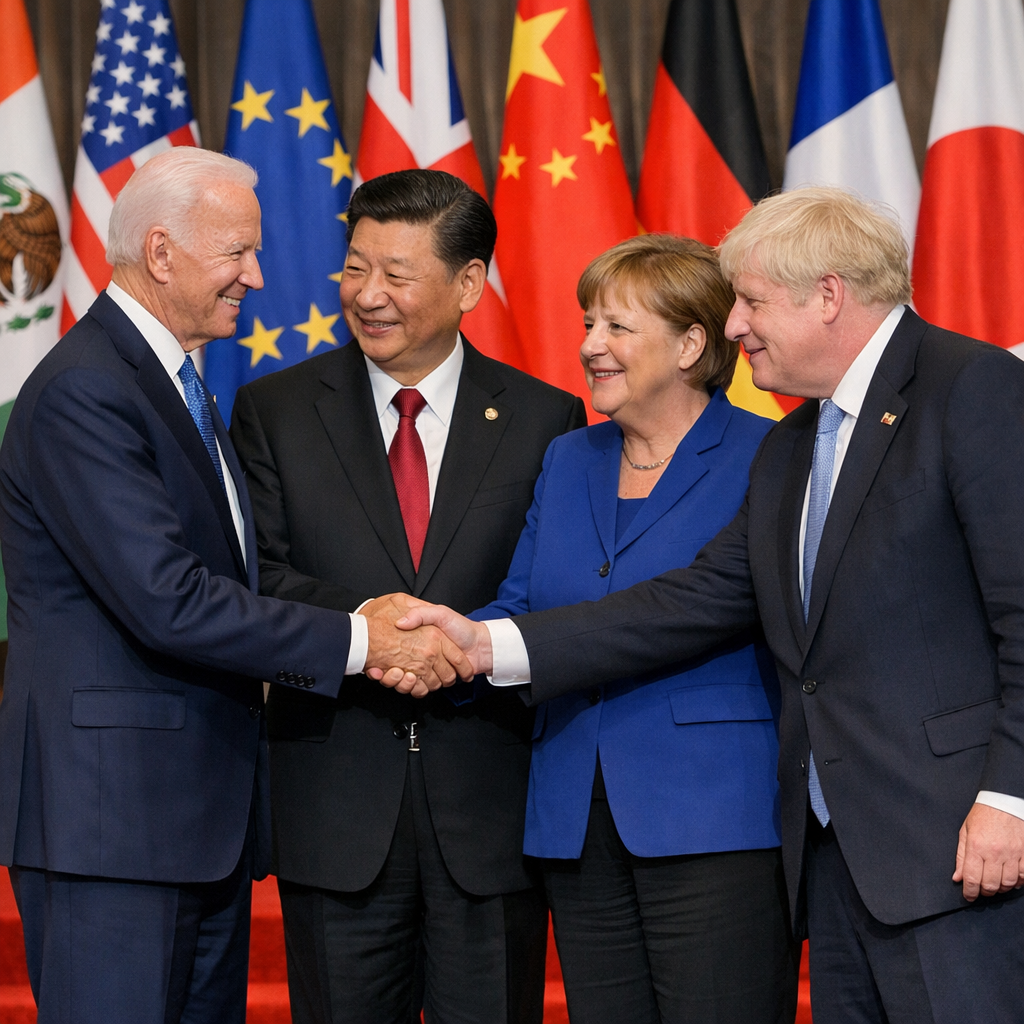
From diplomatic floor discussions to verified conflict reports, recent global trends point to mounting risks in political stability, climate security, and technological disruption. As international actors assess priorities, several key concerns are emerging as top of mind—both for policymakers and citizens everywhere.
1. Political Conflict and Security Tensions
Wars and skirmishes are not isolated pockets of violence—they’re part of a broader surge in geopolitical instability. Significant fault lines include the protracted conflicts in the Middle East, the ongoing war involving Iran and the U.S., renewed exchanges across fronts like Yemen, and lingering violence in regions like the Sahel and East Africa. Observers note more countries facing interstate war or civil strife, with many conflicts either worsening or refusing to improve. Border territorial tensions—especially in Asia and Eastern Europe—are also emerging flashpoints, particularly where strategic waterways or disputed territories are involved.
2. Climate Change as a Global Security Threat
Climate inaction remains one of the biggest risks globally, not just for ecosystems but for economies and security. Leaders are increasingly framing climate change as an economic emergency—where extreme weather, supply chain disruptions, and food insecurity threaten stability for entire regions. International efforts to scale up carbon removal, improve transparency in emissions reporting, and transition energy reliance are underway, with many governments treating environmental commitments as inseparable from national security.
3. Technology, Power, and the AI Frontier
Emerging technologies—particularly artificial intelligence and other frontier tech—are shifting from nascent promise to central concerns. Key issues include power concentration, ethical governance, uneven global access, and risks associated with disinformation or misuse. Surveys of global stakeholders reveal that anxiety about technological misuse has risen sharply, putting pressure on multinational frameworks to regulate and balance innovation with safety.
4. Preparing Through Cooperation—or Not?
While the risks mount, one crucial factor remains: cooperation. Whether in mitigating environmental crisis, managing cross-border conflicts, or regulating AI, global solidarity is seen as both essential and elusive. Many international institutions and agreements are being tested—under strain from competing national interests, economic stress, and shifting alliances. The public and experts alike increasingly see that only through shared strategies and mutual support can risks be meaningfully addressed.
As communities like ours in Rancho Cucamonga look on, these trends may feel distant—but their effects can ripple into local lives. Trade disruptions, migration flows, climate impacts—they all translate closer to home than we sometimes realize.