

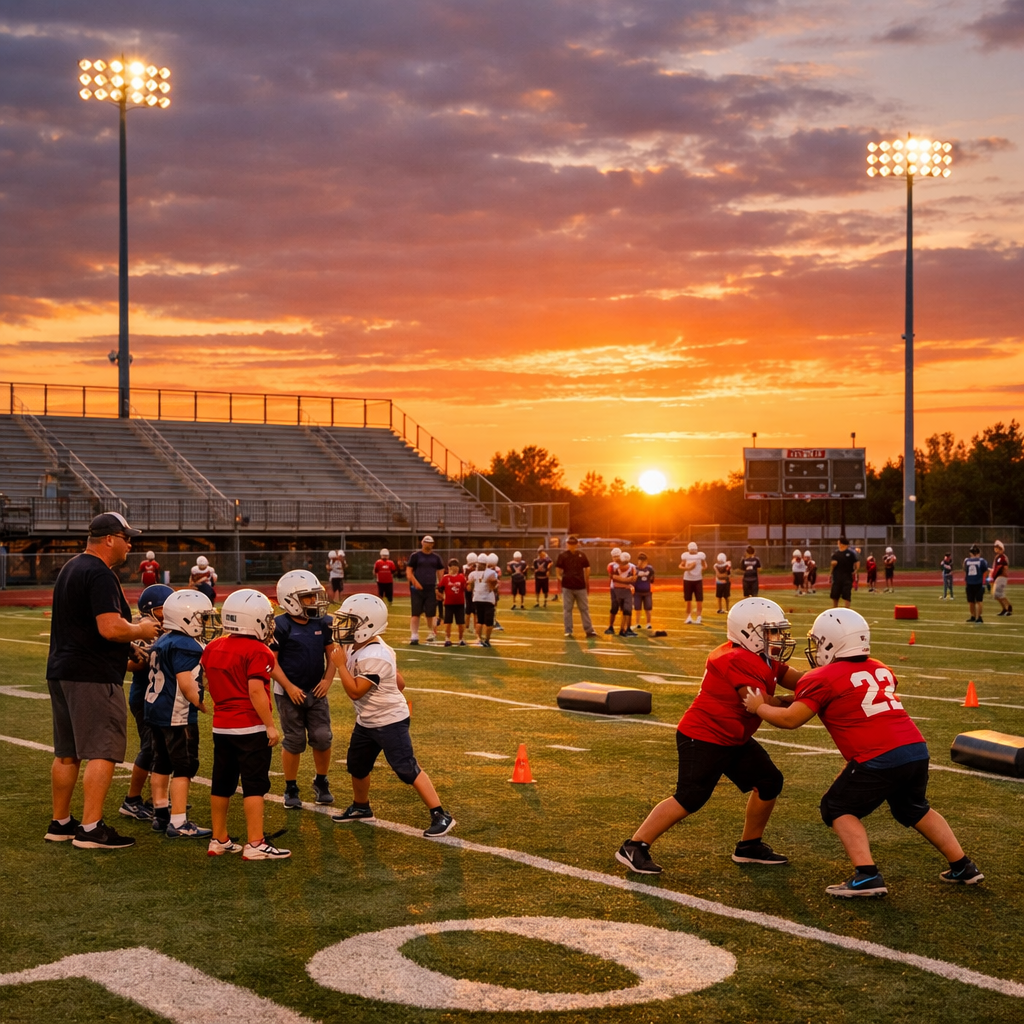
Rancho Cucamonga’s sports scene offers plenty to cheer about—whether you’re watching the Cougars take the field, the Grizzlies compete, or the youngest players in pee-wee leagues learning the basics. Beyond the thrill of competition, sports here are powerful tools for building skills that last long after the final whistle.
High School Programs: More Than Just Scoreboards
Rancho Cucamonga High School’s Cougars and Los Osos High School’s Grizzlies both play in the competitive Baseline League, offering a wide range of varsity sports from football and basketball to water polo and track & field. These aren’t just opportunities for student-athletes to shine—joining a team helps with time management, discipline, and high-pressure situations like playoff games. Bench players learn leadership in different ways; captains guide, and even support roles contribute to wins.
Youth Leagues: The Foundation of Confidence
For many, it starts long before high school. Programs like Rancho Cucamonga’s Pee Wee Sports introduce 3-5 year olds to soccer and baseball in a no-pressure, fun environment. Local leagues—AYSO, Little League clubs, RC Aces Softball, Pop Warner—round out the options. These leagues teach basics like sharing the ball, following rules, and supporting one another—crucial habits that serve well in school and community life.
Life Skills Grown on Fields and Courts
Here in Rancho Cucamonga, athletics bring real, tangible benefits beyond the scoreboard:
- Teamwork & Communication: Players develop trust and communication skills whether executing a play or coordinating effort in relay races or defensive schemes.
- Resilience: Losing happens—even for top teams. Learning to recover from a tough loss builds character in ways academic challenges do not always reach.
- Goal Setting: Individual performance goals—improving lap times, raising shooting percentages, managing grades alongside training—teach planning and perseverance.
- Leadership: Captains, experienced teammates and coaches guide others, mentor younger players, and foster inclusive, supportive environments.
Getting Involved & Making the Most of It
If you’re a parent, student, or community member, here are ways to engage and benefit:
- Check with your school’s athletic department—for example at Rancho Cucamonga HS, head under Athletic Director William Burke—for roster, tryout, and clearance information.
- Enroll young athletes early in non-competitive leagues to build basic skills without pressure.
- Volunteer: coaching, refereeing or helping with logistics teaches responsibility—and lets you give back.
- Focus on balance: academic eligibility, rest, nutrition, and mental health matter just as much as wins.
What Happens After High School?
College athletics, whether at community colleges or four-year institutions, gives student-athletes a path to continue competition—and access educational opportunities like scholarships. The traits developed in youth and high school—discipline, leadership, teamwork—are exactly what coaches and recruiters seek. Even for those not playing in college, the habits and lessons carry into workplace settings and civic life.
Sports in Rancho Cucamonga are more than a pastime—they offer a platform for growth, community, and lifelong impact.